Combat and Conquest: Warfare in Medieval India
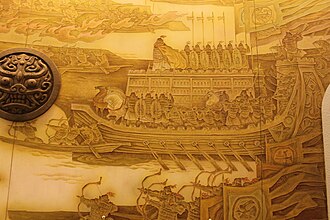
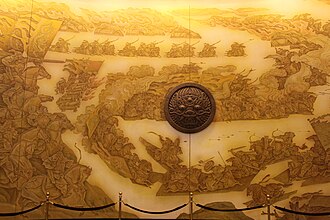
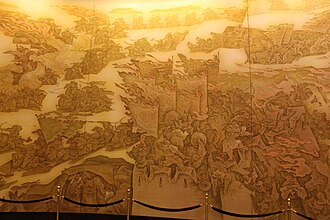
Medieval India, spanning roughly from the 8th to the 18th centuries CE, was an era defined by frequent conflict, the rise and fall of powerful empires, and a constant evolution of military strategies and technologies. From the Deccan plateaus to the Gangetic plains, Warfare shaped political landscapes, fostered technological innovation, and demanded immense resources from the various kingdoms vying for supremacy.
The Pillars of Power: Army Composition
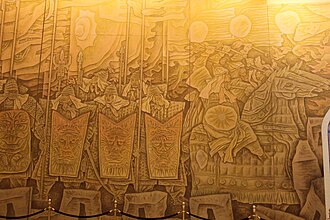
At the core of most Medieval Indian armies were three formidable components: War elephants, Cavalry, and Infantry. War elephants, often numbering in the hundreds or even thousands for major powers like the Cholas, Rashtrakutas, or Vijayanagara Empire, served as mobile fortresses, shock troops capable of breaking enemy lines, and psychological deterrents. Their armored bulk and trained mahouts made them a terrifying force on the battlefield, though they were also vulnerable to specialized tactics and could cause chaos if panicked.
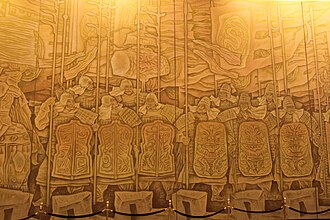
Cavalry was equally crucial, with many kingdoms, particularly those in the north or the Deccan, relying on imported Central Asian horses for their speed and strength. Heavy Cavalry, often armored, delivered powerful charges, while light Cavalry were effective for skirmishing, reconnaissance, and flanking maneuvers. Infantry, though often less glorified, formed the backbone of the Army, comprising archers, spearmen, and swordsmen. Their discipline and numerical strength were vital for holding ground, supporting the main attacks, and providing crucial defense.
Fortifications and Siegecraft
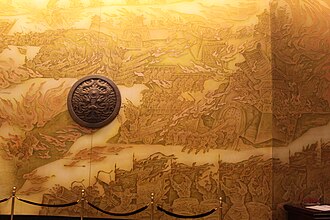
Given the constant military rivalries, the construction and defense of forts were paramount. From towering hill forts like Kavaledurga to formidable land forts and water forts, these defensive strongholds protected vital routes, treasuries, and populations. Siege Warfare was a complex art, employing a variety of engines such as trebuchets and catapults to hurl projectiles, as well as mining and sapping operations to undermine walls. Defenders, in turn, developed sophisticated counter-measures, including multi-layered walls, bastions, and booby traps.
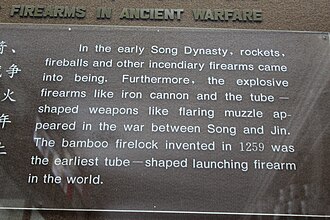
Weaponry included a diverse array of swords like the *talwar* and *khadga*, powerful compound bows, spears, lances, maces, and daggers. As centuries progressed, particularly from the 15th-16th centuries with the arrival of the Delhi Sultanate and later the Mughals, gunpowder weapons like cannons and muskets gradually became integrated into military arsenals, fundamentally altering battlefield dynamics, though traditional weapon systems remained prevalent for centuries.
The echoes of these epic battles and the strategic brilliance of Medieval Indian Warfare resonate through the very stones of Kavaledurga. Understanding the nature of its defense, the weapons wielded, and the forces that sought to conquer or hold it brings a deeper dimension to the secrets you will uncover in ‘The Secret of Kavaledurga’.

Holland, Thomas H. (Thomas Henry), Sir, 1868-1947, Public domain, via Wikimedia Commons
Further Reading
- Medieval Warfare — Wikipedia
- Horses in Warfare — Wikipedia
- Single Combat — Wikipedia
- Hand-to-hand Combat — Wikipedia