The Malnad Region: A Historical & Archaeological Journey Through Karnataka’s Hill Country
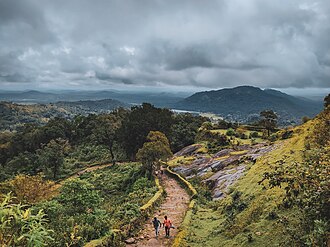
The Malnad Region, literally translating to ‘Hill Country’ or ‘rain Country,’ is a captivating geographical area spanning the Western Ghats in Karnataka. Characterized by its dense forests, undulating hills, and abundant rainfall, Malnad has historically been a challenging yet strategically vital landscape. Its unique geography has not only shaped its distinctive culture and ecology but also preserved a rich tapestry of history and Archaeological treasures that tell tales of powerful Dynasties and ancient civilizations.
A Cradle of Dynasties: From Kadambas to Keladi Nayakas
The Historical roots of the Malnad Region run deep, with evidence of human habitation dating back millennia. Over centuries, various prominent South Indian Dynasties recognized its strategic importance, particularly for its natural defenses and resources. The early Historical period saw the influence of the Kadambas of Banavasi (4th–6th centuries CE) and the Western Ganga Dynasty (4th–10th centuries CE), who left behind early Inscriptions and temple remains. Later, the Region came under the sway of the mighty Chalukyas of Badami and Kalyani (6th–12th centuries CE), followed by the Hoysalas (10th–14th centuries CE), whose distinctive temple architecture can be found in the foothills surrounding Malnad.
Following the decline of the Hoysalas, the vast Vijayanagara Empire (14th–17th centuries CE) exerted significant control, establishing Provincial administrative centers and Forts to manage trade routes and defend against incursions. Perhaps the most defining Historical period for Malnad was under the Keladi Nayakas (16th–18th centuries CE). As feudatories and Later independent rulers, they established their capitals in Malnad itself—first at Keladi, then Ikkeri, and finally Bidanur (modern-day Nagara). They were prolific builders, constructing numerous impressive Hill Forts, Temples, and administrative complexes throughout the Region, many of which still stand today.
Archaeological Riches: Forts, Temples, and Inscriptions
Malnad is a treasure trove for archaeologists and historians, boasting a diverse array of sites. The most prominent are its numerous Hill Forts (giri durgas), strategically perched atop steep hillsides, utilizing the natural terrain for defense. These Forts, often featuring multiple layers of fortifications, intricate gatehouses, and sophisticated water management systems, stand as testament to centuries of military engineering. Beyond Forts, the Region is dotted with ancient Temples, ranging from modest shrines to elaborate structural complexes, often showcasing a blend of Dravidian and Vesara architectural styles, reflecting the influences of the various Dynasties that ruled here.
Epigraphical evidence, in the form of stone Inscriptions and copper plates, is abundant across Malnad, providing invaluable insights into the administrative, social, and religious life of past eras. These Inscriptions, written in Old Kannada, Sanskrit, and Tulu, document land grants, royal decrees, temple endowments, and heroic deeds, painting a vivid picture of the Region’s dynamic past. Ongoing Archaeological surveys continue to uncover new sites and shed further light on the enduring legacy of this unique Historical landscape.
The rich history and Archaeological wonders of the Malnad Region, particularly its formidable Hill Forts and ancient Temples, provide the authentic backdrop and deep inspiration for the world explored in The Secret of Kavaledurga.
Holland, Thomas H. (Thomas Henry), Sir, 1868-1947, Public domain, via Wikimedia Commons